My Recent Obsession - Wool and The Circular Economy I
There have been a few key words residing in my head for a long time. Through my “ADHD-like” brain, too many thoughts and ideas pass daily. Some remain, some go away, and some persist. The ones that persist are “wool”, “full-fashioned”, “circular economy”, and “industry 4.0”. Now the itchiness in my brain gets stronger, so I would like to start talking about them.
Wool*
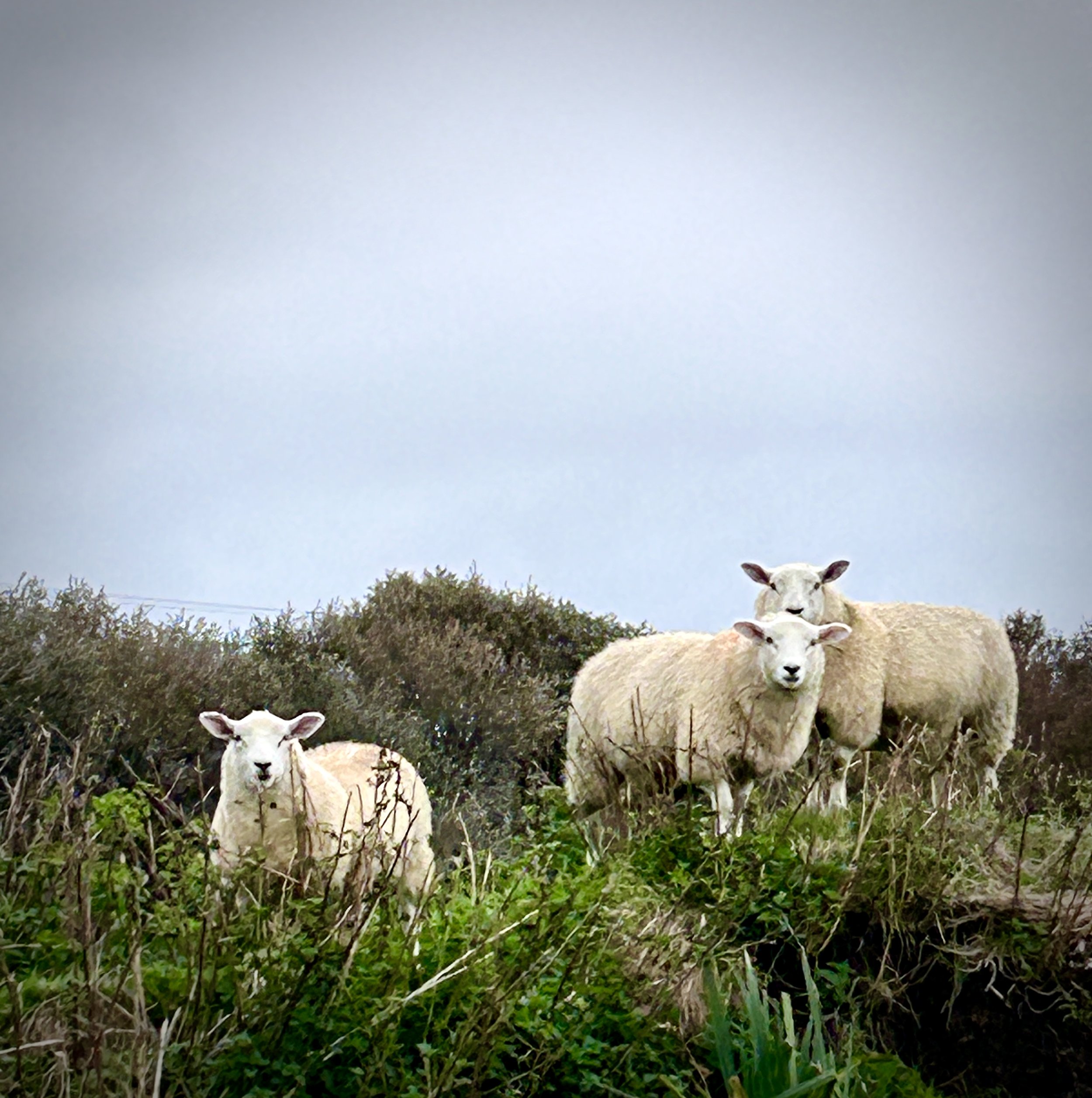
Figure1. Sheep from Co. Kerry, Ireland
“Have you not been obsessed with wool already?” You might say that, as I’m a knitter. Wool has been in my life for a very long time. I like wearing it, buying things made of it, and making things with it. I love wool, but it was just one of my favourites until recently. I started to look at it with a very different perspective since a photo landed on my feed on social media during the pandemic. That changed everything.
A shocking photo of clothes dumping
The photo showed piles and piles of clothes dump on Atacama Desert in Chile. Those are from us individuals and the clothing brands we all know very well. And they are mostly made of synthetics, which will never go away. The shock hit me so hard that I dropped everything I was doing at that time and immediately started researching it. “Where will all the clothes go eventually, sold or unsold?” That was my first question.
Of course, it was not the first time I found out about the problem the clothing industry is creating in this world. I heard about it and even talked about it with friends. However, I don’t think it was really registered on my cognitive level. It had been more like a fire across the river until the moment I saw the photo. (For copyright reasons, I won’t post photos. If you like to look at the clothes dumping for yourself, please click the link below.)
Atacama Desert:
https://www.aljazeera.com/gallery/2021/11/8/chiles-desert-dumping-ground-for-fast-fashion-leftovers
Ghana Beaches:
Fast Fashion, shallow self-esteem, and the consequences
I’ve never been a big consumer of fast fashion. It’s not because I’m an environmental crusader but because I don’t like shopping by nature. The aimless browsing of shops gives me headaches. Still, I used to buy odd pieces from here and there because they are cute, in trend, or whatever. I must confess that I didn’t always buy them out of necessity.
Now, when I walk into the shop, I see a sea of future rubbish. I often wonder how much of it will land in the Atacama Desert or on the beach of Ghana. We all pretend that it doesn’t exist because we don’t see it. And then, we buy more and dump more for fashion's sake or trend's sake. The price we have to pay for our shallow self-esteem is too much. We are destroying our very own home.
Wool and The Circular Economy
Since I became highly sensitive to environmental issues, particularly regarding the consumption of clothing, I see wool differently now. I look at it almost as a salvation for our future. I’m not saying wool, per se, will be our salvation. I mean is what wool and other natural fibres represent can be one: a raw material that is highly utilisable, renewable, and most importantly, compostable and biodegradable. In the optimal environment, wool can be decomposed in 12 weeks**. It will not only disappear into nature in a very short period of time, but it will also enrich the land with its nitrogen-rich content. The Circular Economy. [Figure 2]
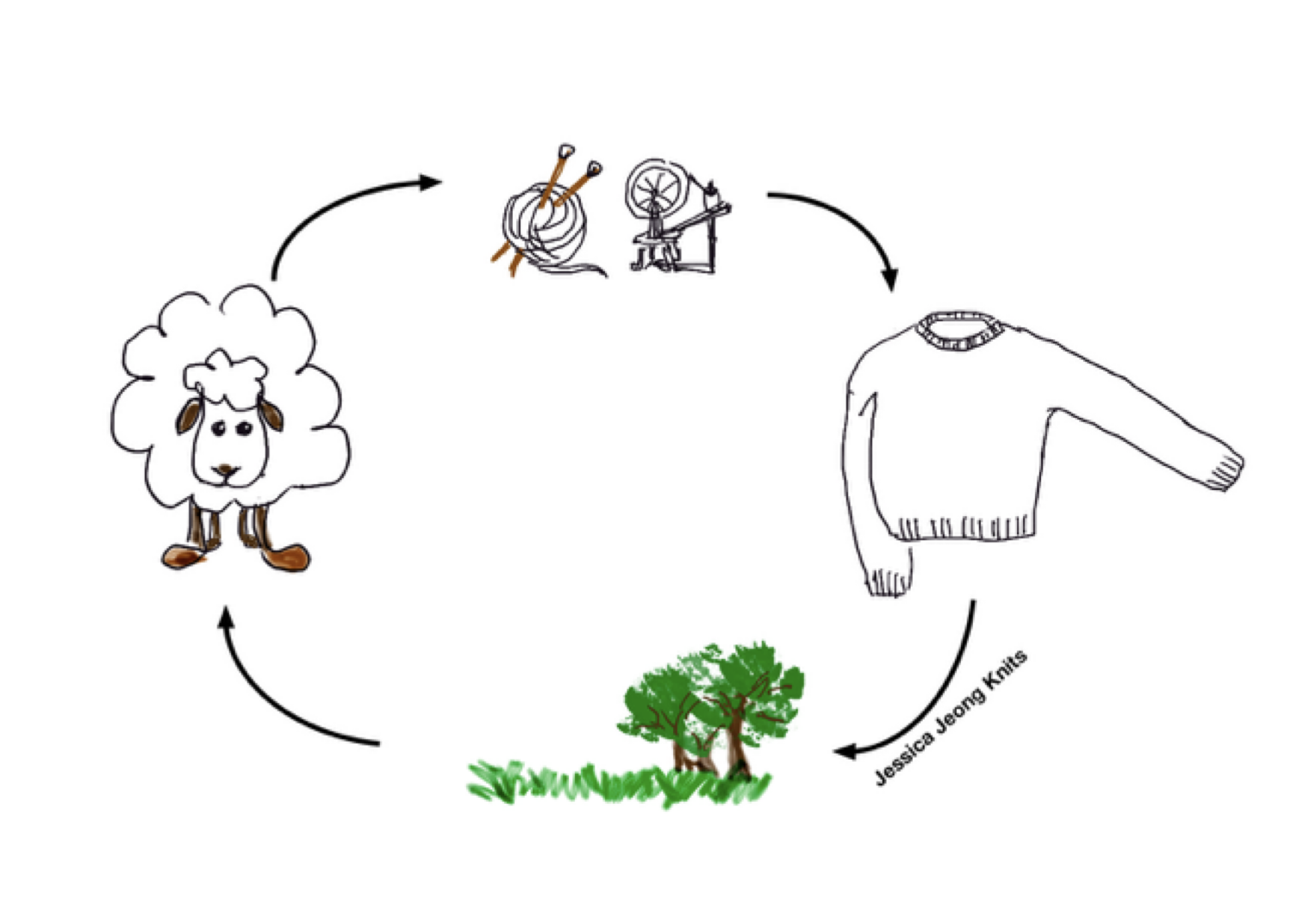
Figure 2. What a Circular Economy looks like in a very simple way.
I am fortunate enough to have been exposed to wool and wool garments from earlier in my life. I already know how to make and mend. I know its characteristics. I am very well aware of the benefits of wool. However, I am not trying to portray it with rosy-tinted glasses. All industry has its dark side. I will get on to that with another post later. I just want to be better informed. I would like to have a solid base that I can act on. This is my journey to get to that.
*Wool includes not only sheep wool but also natural fibres derived from animals like goats, rabbits, camelids (alpaca, llama, camel), etc.
**https://www.woolmark.com/industry/research/wool-is-biodegradable/ - Need more research done. I’ll get onto this again in another post.